
March 3, 2026
Benefits of Choosing a Career in Beauty
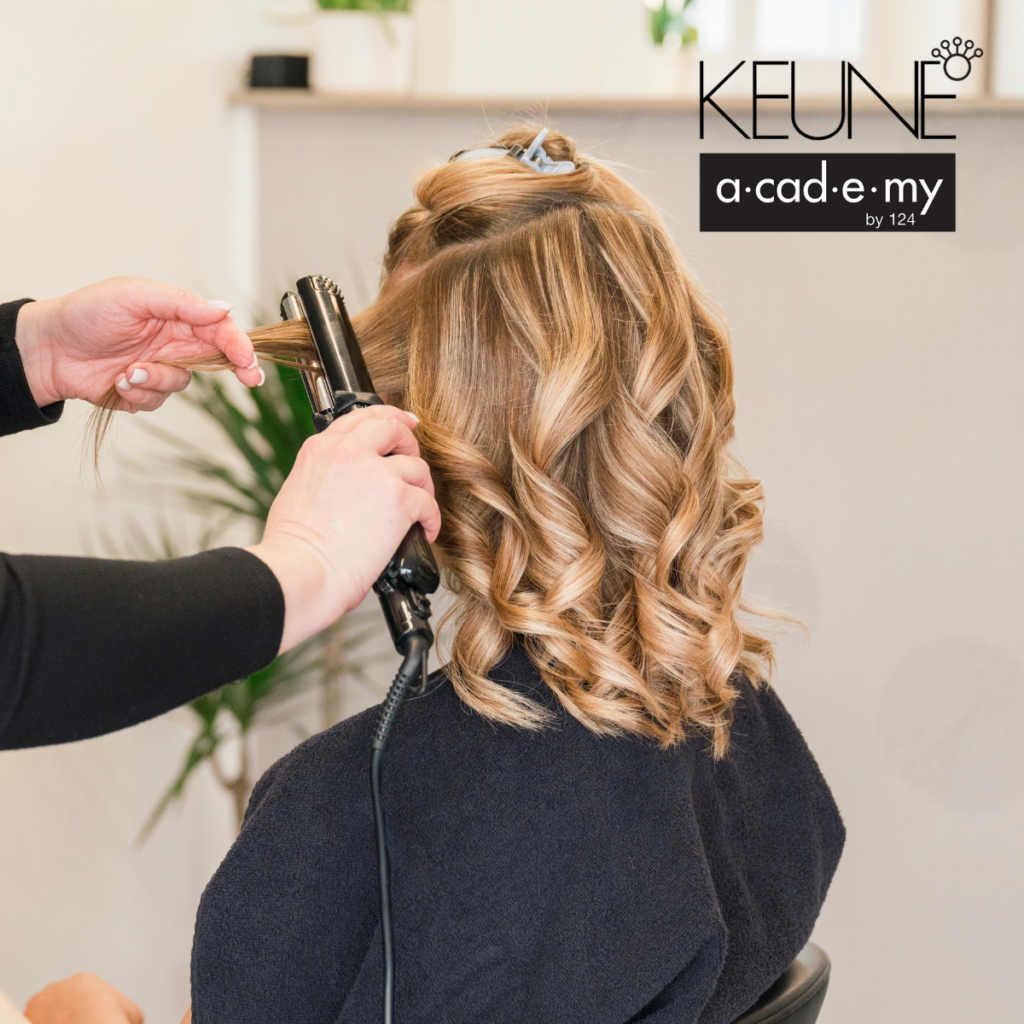
A career in beauty can offer creative, hands-on work, opportunities for flexible scheduling, meaningful client relationships, and several paths for professional growth. Cosmetology and hair design education focuses on practical skills that can be used in salons, spas, beauty businesses, and other professional settings, often through a shorter educational program than a traditional four-year degree. At Keune Academy by 124 in Lawrenceville, Georgia, students can explore Master Cosmetology and Hair Design programs that combine technical instruction with hands-on training and experience working with real guests in the student salon under licensed supervision. Whether you are beginning your first career or considering a career change, beauty education can provide a foundation for pursuing opportunities in an industry centered on creativity, service, and personal connection.
Why Should You Consider a Career in the Beauty Industry?
A career in beauty may appeal to people who enjoy working with their hands, expressing their creativity, interacting with clients, and continuing to learn new skills. Instead of following one fixed professional path, licensed beauty professionals can explore different services, workplaces, and areas of specialization throughout their careers.
Some of the reasons people choose a career in beauty include:
- Opportunities to use creativity and technical skills every day
- Different work environments and scheduling arrangements
- A focused educational path centered on practical training
- Opportunities to develop meaningful client relationships
- Options for professional specialization and continued education
- Potential paths into entrepreneurship, education, or independent work
Whether you’re just starting out or thinking about a career change, the beauty industry offers a range of possibilities worth exploring.
At Keune Academy by 124, students develop foundational beauty skills through structured education, supervised practice, and exposure to a professional salon environment.
Are Beauty Careers in Demand?
Beauty services are part of an established service industry, with clients seeking haircuts, color services, styling, grooming, and personal care across a variety of settings. However, employment opportunities depend on local demand, individual qualifications, experience, and market conditions.
Common services people seek from beauty professionals include:
- Haircuts and shaping
- Hair coloring and highlighting
- Styling for weddings and special events
- Hair treatments and maintenance
- Grooming and personal care services
Licensed beauty professionals may explore opportunities in different workplaces, depending on their license, skills, and applicable regulations.
These settings can include:
- Hair salons
- Spas and beauty establishments
- Barbershops, where permitted by licensing rules
- Resorts and hotels
- Fashion, film, and television productions
- Freelance or mobile services, where authorized
- Independently operated beauty businesses
Because the beauty industry includes many different services and business models, professionals may find opportunities to explore new interests as their experience develops.
A beauty license does not guarantee employment or job security, but it establishes professional qualifications for performing the services authorized by the applicable state licensing authority.
How Can a Beauty Career Let You Be Creative Every Day?
Beauty careers allow professionals to combine artistic expression with technical knowledge. Haircuts, color formulations, styling techniques, and personalized consultations all involve understanding a client’s goals and applying learned skills.
For people who enjoy creating something with their hands, this can be an appealing alternative to work that involves mainly sitting at a desk or performing repetitive tasks.
Creative activities in beauty may include:
- Blending color formulas: Understanding color theory and selecting products for different hair goals.
- Creating custom haircuts: Using cutting and shaping techniques to complement hair type and personal preferences.
- Designing hairstyles: Developing looks for everyday wear or special occasions.
- Solving hair challenges: Considering hair condition, previous services, and appropriate professional techniques.
- Building personalized looks: Collaborating with clients to create a style that reflects their preferences.
Beauty professionals often continue learning as products, techniques, and styling trends evolve.
At Keune Academy by 124, students in both the Master Cosmetology program and the Hair Design program receive hands-on instruction in areas such as haircutting, color theory, styling, client consultations, and professional salon practices.
This training gives students opportunities to develop their creativity while learning the technical principles and safety practices involved in professional beauty services.
Can You Have a Flexible Schedule Working in Beauty?
Some beauty professionals have opportunities for flexible scheduling, particularly in workplaces that offer different shifts or independent business arrangements. Actual flexibility depends on the employer, client demand, licensing requirements, and the professional’s work situation.
Possible scheduling arrangements can include:
- Part-time schedules
- Evening or weekend appointments
- Booth rental arrangements
- Independent or freelance projects
- Appointment-based scheduling
This variety may appeal to parents, students, entrepreneurs, and people balancing multiple responsibilities.
For example, a salon employee may work a schedule established by the salon, while an independent professional may have more responsibility for arranging appointments, managing expenses, and building a client base.
Flexibility is not automatic. Evening and weekend hours may be necessary to serve clients, and independent professionals must also manage business responsibilities.
Students considering beauty school should also distinguish between professional scheduling options and the attendance requirements of their educational program.
Keune Academy by 124 encourages prospective students to learn about program expectations and discuss their scheduling needs before enrolling.
Is Beauty School Faster Than Getting a Four-Year Degree?
Beauty school can offer a shorter, more focused educational route than a traditional four-year college degree because cosmetology and hair design programs concentrate on the technical instruction and training hours required for their professions.
Rather than spending several years completing a broad general education curriculum, beauty school students study industry-specific subjects and practice professional techniques.
Some differences between beauty school and a traditional four-year degree include:
- Program focus: Beauty education centers on services, techniques, safety, and professional practices related to the field.
- Hands-on learning: Students spend time practicing techniques in a supervised educational environment.
- Program duration: Training is organized around required curriculum hours and attendance schedules rather than a standard four-year degree timeline.
- Licensing requirements: Graduates must meet applicable state requirements, which may include passing licensing examinations.
- Educational expenses: Costs vary by school and program, so students should compare tuition, fees, supplies, and available financial aid for those who qualify.
At Keune Academy by 124, the Master Cosmetology and Hair Design programs focus on professional beauty education from the beginning of training.
Completing a program may take less time than earning a four-year degree, but the exact timeline depends on the program, attendance, and individual progress. Finishing school also does not guarantee immediate employment or a particular level of earnings.
How Can a Beauty Career Make a Difference in People’s Lives?
Beauty professionals can make a personal difference by helping clients explore styles, prepare for important occasions, and feel comfortable expressing their individuality.
Beauty services often involve more than completing a technical task. They require listening, communication, attention to detail, and understanding client preferences.
Clients may book appointments before experiences such as:
- Weddings
- Graduations
- Job interviews
- Professional events
- Personal celebrations
- Everyday hair maintenance
A fresh haircut, new color, or personalized style can be meaningful to someone preparing for an important moment.
Beauty professionals often become familiar faces in their clients’ lives through regular appointments and ongoing relationships.
Developing these relationships requires professionalism, trust, clear communication, and consistent attention to client needs.
At Keune Academy by 124, student salon training introduces students to real guest consultations and service interactions under licensed supervision. These experiences allow students to practice both their technical skills and the communication involved in client-facing work.
How Much Can You Earn in a Beauty Career?
Earnings in the beauty industry vary based on experience, location, employment arrangements, service demand, pricing, expenses, and other factors. There is no guaranteed salary or income level associated with completing beauty school or obtaining a professional license.
Factors that can influence a beauty professional’s earnings include:
- Technical skill level: The services a professional is qualified and experienced to perform.
- Service efficiency: The ability to manage appointments while maintaining quality and safety.
- Client retention: The relationships that may lead clients to book additional appointments.
- Service pricing: Prices established by the salon or independent business.
- Retail sales: Product recommendations and sales arrangements, where applicable.
- Specialization: Additional experience or training in particular services.
- Business expenses: Costs such as supplies, rent, equipment, and other operating obligations.
Professionals may choose to develop additional skills in areas such as advanced color, extensions, bridal styling, texture services, or education.
Some experienced professionals also explore salon management or business ownership. These paths may involve additional licensing, training, financial investment, or business responsibilities.
Students evaluating beauty education should consider their interests and the cost of training alongside realistic employment and financial expectations.
Is Beauty School a Good Option for Adults Changing Careers?
Beauty school can be an option for adults who want to explore a more creative, practical, or people-focused field. Previous beauty industry experience is not necessarily required to begin an entry-level educational program, although students must meet the school’s admissions requirements.
People consider career changes for many reasons. Some want more hands-on work, while others are interested in developing new technical skills or moving into a field that involves direct client interaction.
Beauty education may appeal to someone who:
- Works at a desk and wants to explore more creative work
- Enjoys helping people and providing personalized services
- Wants to learn practical skills in a structured environment
- Is looking for a different professional direction
- Prefers an educational program focused on a particular trade
Adults entering beauty school can also bring useful skills from previous jobs and life experiences.
These may include:
- Customer service experience
- Time management
- Communication skills
- Professionalism
- Organization
- Experience working with different people
At Keune Academy by 124, beauty education is not limited to recent high school graduates. The academy’s published information describes students who are adults, parents, and professionals exploring a new chapter of life.
Prospective students should consider program attendance, tuition, supplies, and personal responsibilities before making an enrollment decision.
Why Is Hands-On Beauty School Training Important?
Hands-on beauty school training helps students apply what they learn in class to practical services and client interactions. Rather than studying techniques only through written instruction, students practice skills while receiving guidance and feedback.
At Keune Academy by 124’s Lawrenceville campus, students learn in a salon-style educational environment designed to introduce them to professional services and expectations.
Training may include:
- Supervised guest services: Opportunities to practice appropriate services with real guests.
- Client consultations: Discussing client preferences, hair characteristics, and service options.
- Professional product use: Becoming familiar with products and application techniques.
- Instructor feedback: Receiving guidance while developing practical skills.
- Salon procedures: Learning about sanitation, safety, service organization, and professional communication.
Students can work with real guests in the academy’s student salon under licensed supervision.
These supervised experiences provide opportunities to improve technique, develop familiarity with client-facing work, and understand the responsibilities involved in salon services.
Hands-on training is part of preparing for professional licensing requirements, but it does not guarantee exam results or employment after graduation.
How Can Beauty School Help You Build Professional Connections?
Beauty school offers opportunities to interact with classmates, instructors, and guests who share an interest in the beauty industry. These relationships can make the educational experience more collaborative while helping students practice professional communication.
At Keune Academy by 124, students learn alongside others developing skills in cosmetology or hair design.
A collaborative learning environment can offer opportunities to:
- Share ideas about techniques and styling
- Practice communication and teamwork
- Learn through demonstrations and feedback
- Support classmates during practical training
- Develop professional relationships
Relationships formed during education may continue as students pursue different professional paths, although future opportunities and outcomes vary.
Working around other creative individuals also exposes students to different styles, approaches, and perspectives.
In a client-focused field, developing the ability to communicate respectfully and collaborate with others is an important part of professional growth.
What Career Paths Can You Explore After Beauty School?
Beauty education can provide a foundation for exploring different professional roles after meeting applicable state licensing requirements. Opportunities depend on the license obtained, individual experience, additional qualifications, and available positions.
Possible paths include:
- Salon stylist: Providing authorized haircutting, styling, coloring, and related services.
- Hair color specialist: Developing advanced skills in color formulation and application.
- Bridal or event stylist: Creating hairstyles for weddings and other special occasions.
- Salon manager: Helping coordinate staffing, appointments, and salon operations.
- Salon owner: Exploring business ownership while meeting establishment licensing and operational requirements.
- Beauty educator: Pursuing additional qualifications to teach professional beauty skills.
- Brand representative: Working with beauty products, demonstrations, or professional education.
- Creative stylist: Exploring fashion, photography, or entertainment projects.
Some graduates may prefer working in a traditional salon, while others may develop an interest in education, entrepreneurship, or specialized services later in their careers.
Keune Academy by 124 offers both Master Cosmetology and Hair Design education, allowing prospective students to explore which program is better aligned with their interests.
How Do You Know If a Career in Beauty Is Right for You?
A career in beauty may be worth exploring if you enjoy creative problem-solving, practical activities, personal interaction, and learning techniques that improve with practice.
Before enrolling in beauty school, consider these steps:
- Identify your interests. Think about whether you are most interested in hair design, a broader cosmetology education, or another area of beauty.
- Compare training programs. Review the services, techniques, and subjects included in each curriculum.
- Understand licensing requirements. Learn what education, examinations, and other steps your state requires.
- Review your schedule. Consider how training hours and attendance requirements fit your responsibilities.
- Plan educational expenses. Ask about program costs and financial aid for those who qualify.
- Visit the school. Explore the learning environment and ask questions about hands-on training.
Choosing beauty school is an educational and financial decision. Taking time to understand the program can help you determine whether it matches your goals.
Frequently Asked Questions About Careers in Beauty
Is a career in beauty worth considering?
A beauty career may be worth considering for people who enjoy creative, hands-on work and direct client interaction. The field includes different professional settings and opportunities for specialization. Employment prospects, income, scheduling, and career development vary by individual circumstances and market conditions.
Do you need a four-year degree to become a cosmetologist?
No. A traditional four-year college degree is not generally required to become a licensed cosmetologist in Georgia. Applicants must meet the state’s applicable education, training, examination, and licensing requirements. Approved cosmetology education focuses on technical instruction and practical skills rather than a conventional bachelor’s degree curriculum.
Can you go to beauty school as an adult?
Yes. Beauty school can be an option for adults, parents, and people exploring a career change, provided they meet admissions requirements. Keune Academy by 124 welcomes prospective students at different stages of life and offers Master Cosmetology and Hair Design education at its Lawrenceville campus.
Can beauty professionals set their own schedules?
Some beauty professionals have opportunities for part-time work, independent scheduling, or different appointment arrangements. Flexibility depends on employment terms, client demand, business responsibilities, and licensing rules. It is not guaranteed for every beauty career or position.
What is the difference between Hair Design and Master Cosmetology?
Hair Design focuses on hair-related techniques such as cutting, coloring, styling, and hair care. Master Cosmetology provides a broader educational path covering additional areas of beauty services. Keune Academy by 124 offers both programs, allowing prospective students to compare training options based on their interests and educational goals.
Does Keune Academy by 124 provide hands-on beauty training?
Yes. Keune Academy by 124 incorporates hands-on training into its Master Cosmetology and Hair Design programs. Students practice technical skills and can work with real guests in the student salon under licensed supervision, gaining experience with consultations, services, and professional salon practices.
How Can You Start Your Beauty Education at Keune Academy by 124?
Starting your beauty education begins with exploring the programs available, reviewing admissions requirements, and learning about the training experience.
Keune Academy by 124 in Lawrenceville, Georgia, offers Master Cosmetology and Hair Design programs that combine classroom instruction, hands-on skills development, professional product knowledge, and supervised salon experience.
Whether you’re interested in your first professional path or considering a career change, the academy’s admissions team can help you understand the educational options available.
Next step: Contact Keune Academy by 124 to schedule a tour, meet the team, and learn more about beginning your beauty school education.