
April 20, 2026
What Careers Can I Have as a Hair Designer?
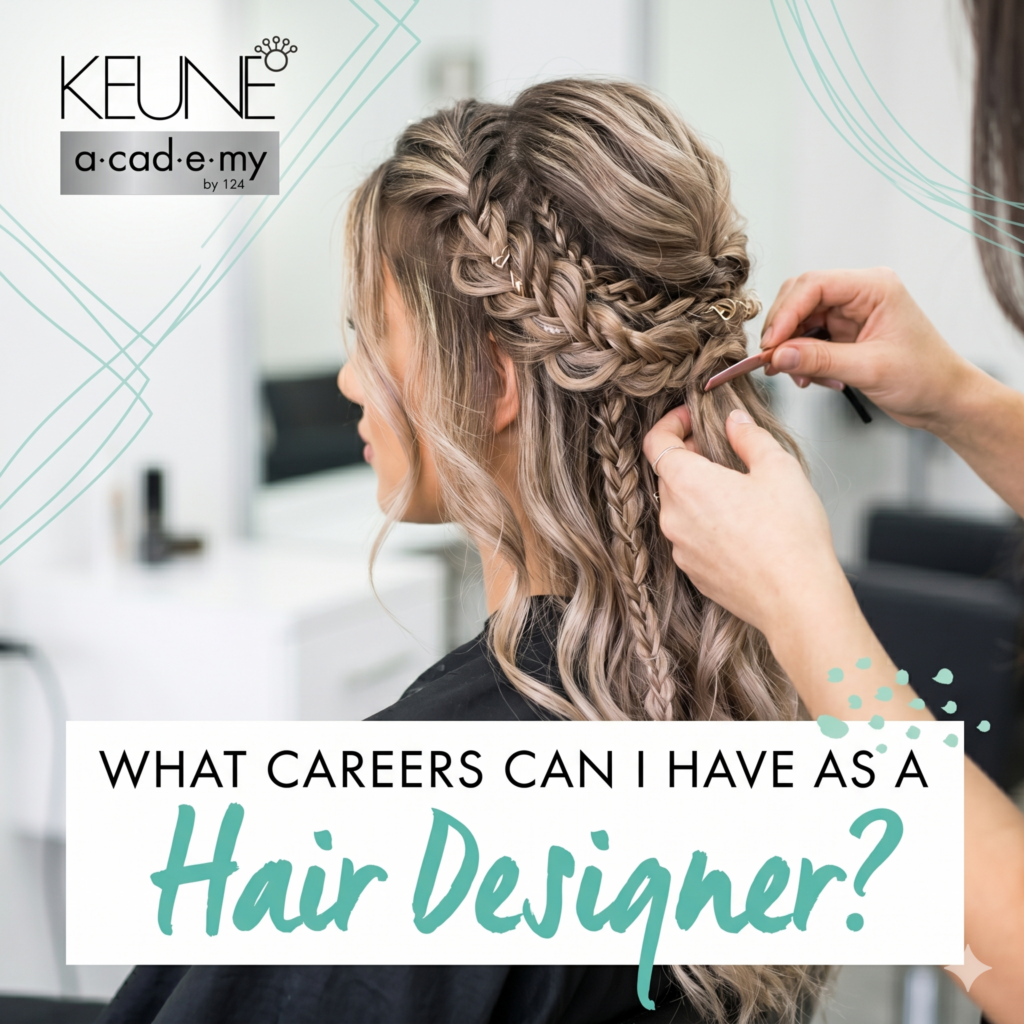
A hair design license can open the door to career opportunities beyond working behind a salon chair, including salon styling, hair color specialization, bridal and event styling, editorial work, beauty education, brand representation, and salon ownership. Some licensed hair designers also explore freelance projects, film and television styling, and hair care product development as they gain experience and additional qualifications. At Keune Academy by 124, students in the Hair Design program learn haircutting, coloring, styling, and client communication through hands-on education and supervised experience with real guests in the student salon. This combination of technical instruction and practical experience helps students build a foundation for exploring different paths in the beauty industry after meeting applicable licensing requirements.
What Career Opportunities Are Available With a Hair Design License?
Licensed hair designers can explore several professional paths depending on their interests, experience, skills, and the services permitted under their state license. While many begin by working in a salon, hair design skills can also be relevant to fashion, entertainment, education, business ownership, and beauty brands.
Here are 10 career paths hair design students may consider:
- Salon hair designer
- Hair color specialist
- Editorial or fashion hair stylist
- Wedding and special event stylist
- Platform artist or brand educator
- Salon owner or entrepreneur
- Hair design educator
- Film and television hair stylist
- Product developer or beauty brand consultant
- Freelance hair designer
Not every opportunity is an entry-level role, and some positions require additional industry experience, education, business credentials, or other qualifications. However, the foundational skills taught in hair design school can be useful across many professional settings.
At Keune Academy by 124, students can develop these foundational skills through the Hair Design program, which combines technical education, professional product knowledge, and hands-on training.
What Does a Professional Hair Designer Do?
A hair designer is a trained beauty professional who focuses on cutting, coloring, styling, and treating hair within the scope of their license. Hair designers combine technical skills with creativity and communication to help clients achieve looks that fit their preferences, lifestyle, and hair type.
Common hair design services and responsibilities include:
- Haircutting and shaping: Creating haircuts and styles using techniques appropriate for different hair types and lengths.
- Hair coloring: Performing services such as highlighting, balayage, toning, and other color applications.
- Hairstyling: Creating everyday looks, professional blowouts, and special occasion styles.
- Hair treatments: Providing appropriate hair care services and product recommendations.
- Client consultations: Understanding client goals, discussing options, and recommending suitable services.
- Salon safety: Following sanitation practices and professional service procedures.
Because techniques, products, and beauty trends continue to change, many hair designers keep learning throughout their professional lives.
Training at Keune Academy by 124 introduces students to haircutting, coloring, styling, and client communication while giving them opportunities to practice under instructor supervision.
What Salon Careers Can You Pursue With a Hair Design License?
Salon styling and hair color specialization are two career paths that hair designers may pursue after obtaining the required license. These roles involve working directly with clients and developing technical skills through professional experience.
1. Salon Hair Designer
A salon hair designer provides services such as haircuts, color, styling, and treatments in a salon environment. This is one of the common career paths for individuals who complete hair design education and obtain their professional license.
Salon work combines technical services with client communication. Hair designers consult with guests, discuss their preferences, perform services, and recommend ways to maintain their hairstyles.
Many hair designers are drawn to salon work because it can offer:
- Opportunities to build long-term client relationships
- The ability to develop specialized technical skills
- A creative and social work environment
- Different workplace and scheduling arrangements
- Continued opportunities to learn new techniques
Over time, experienced hair designers may choose to focus on services such as blonding, textured hair, color corrections, or precision cutting.
Keune Academy’s supervised student salon gives students opportunities to practice client communication and technical services before graduation. Students work with real guests under licensed supervision as part of their education.
2. Hair Color Specialist
A hair color specialist focuses on coloring techniques, product selection, and creating customized hair color results. This path may appeal to hair designers who enjoy both the creativity and science involved in hair color.
Color specialists may work with:
- Highlights and lowlights
- Balayage and ombré
- Color corrections
- Fashion colors
- Gray coverage
- Toning and color maintenance
Color services require an understanding of color theory, hair chemistry, product formulation, and the condition of the hair.
Clients often seek professionals who can help them explore different color options and maintain their desired looks.
At Keune Academy by 124, hair design students study coloring techniques and gain experience using professional Keune products. These learning opportunities provide a foundation for students who may later choose to focus on color services.
Can Hair Designers Work in Fashion, Weddings, Film, or Television?
Yes. Hair designers may explore opportunities in fashion, special events, film, and television. These settings often require strong styling skills, creativity, collaboration, and the ability to work within a specific schedule or creative direction.
3. Editorial or Fashion Hair Stylist
Editorial and fashion hair stylists create hairstyles for photography, advertising, and fashion-related projects rather than focusing exclusively on traditional salon services.
Their work may include:
- Fashion photoshoots
- Magazine editorials
- Advertising campaigns
- Runway shows
- Creative beauty projects
These stylists often collaborate with photographers, makeup artists, wardrobe professionals, and fashion designers to create a specific visual style.
Editorial projects may involve unusual textures, dramatic shapes, or hairstyles designed for photography rather than everyday wear.
This type of work can appeal to hair designers who enjoy experimenting with new techniques and bringing creative concepts to life. Additional portfolio development, professional experience, and networking are often important when pursuing these opportunities.
4. Wedding and Special Event Stylist
Wedding and event stylists create hairstyles for clients attending important occasions. This specialty focuses on styling techniques, consultations, planning, and creating looks that fit the client’s preferences and event requirements.
These stylists may work on:
- Weddings and bridal parties
- Proms and school dances
- Formal events
- Engagement or portrait sessions
- Other special occasions
Bridal stylists often collaborate with photographers, makeup artists, and event planners. Some work within salons, while others may provide services at approved locations subject to applicable licensing and business rules.
Because events may involve several clients within a limited timeframe, organization and clear communication are important skills.
Hair design training in styling, consultations, and client service can provide useful preparation for students interested in exploring this specialty.
5. Film and Television Hair Stylist
Film and television hair stylists help create hairstyles that support characters, time periods, and production storylines. Their work often involves collaborating with costume designers, makeup artists, directors, and other production professionals.
Projects may include:
- Movies
- Television series
- Streaming productions
- Commercials
Hair stylists working in entertainment may need to recreate a hairstyle consistently across several filming days, follow detailed creative direction, and adjust their work to production schedules.
This path can be interesting for hair designers who enjoy working behind the scenes. Film and television positions may require additional experience, specialized skills, professional connections, or production-specific qualifications.
Can a Hair Designer Become an Educator or Work With Beauty Brands?
Experienced hair designers may pursue opportunities in professional education, product demonstrations, and beauty brand representation. These roles allow professionals to share technical knowledge while continuing to work with hair care products and styling techniques.
6. Platform Artist or Brand Educator
A platform artist or brand educator demonstrates professional hair techniques, products, and styling methods for other beauty professionals.
These individuals may work with beauty brands, salons, industry organizations, or training programs.
Their responsibilities may include:
- Demonstrating techniques at trade shows
- Teaching classes or workshops
- Training salon teams on new products
- Representing professional hair brands
- Explaining product application and styling methods
This role combines technical expertise with presentation and communication skills. Professionals need to explain techniques clearly while adapting to different audiences.
At Keune Academy by 124, students learn with professional Keune products and develop product knowledge as part of their education. This experience introduces them to an area of the beauty industry that extends beyond providing salon services.
7. Hair Design Educator
Hair design educators teach technical skills, sanitation practices, and professional knowledge to students preparing to enter the beauty industry.
Educators may work in beauty schools, training academies, or other approved educational settings.
Subjects they may teach include:
- Haircutting and shaping techniques
- Hair coloring and chemical services
- Sanitation and safety practices
- Client consultation skills
- Professional development
- Practical skill demonstrations
Teaching can appeal to hair designers who enjoy mentoring others and sharing what they have learned through professional experience.
Becoming a licensed hair design instructor in Georgia involves additional requirements beyond holding a Hair Designer license. Individuals considering this path should review the current instructor licensing requirements established by the state.
Can You Own a Salon or Work Independently With a Hair Design License?
Hair designers may eventually explore business ownership or independent work, provided they meet applicable state licensing, salon, and business requirements. These paths combine technical hair design skills with planning, client relationships, and business management.
8. Salon Owner or Entrepreneur
Some hair designers decide to operate a salon, establish a studio, or pursue other business opportunities after gaining professional experience.
Salon ownership may involve responsibilities such as:
- Marketing and social media
- Client scheduling and booking
- Hiring and mentoring staff
- Managing finances and operating expenses
- Maintaining equipment and supplies
- Following applicable salon safety and licensing requirements
Owning a salon provides opportunities to develop a business concept, establish service offerings, and manage client experiences. It also comes with financial and operational responsibilities.
A personal Hair Designer license does not automatically authorize someone to open or operate a salon. Additional establishment licensing and other business requirements may apply.
Hair designers interested in entrepreneurship may benefit from developing their technical skills, gaining industry experience, and learning about salon operations before pursuing ownership.
9. Freelance Hair Designer
Freelance hair designers work on independent projects and may provide services across different professional settings, subject to licensing and location requirements.
Freelance opportunities may involve:
- Photoshoots
- Fashion events
- Weddings
- Private client appointments in authorized settings
- Editorial projects
Freelancing can offer variety and opportunities to collaborate with different creative professionals. However, independent professionals are also responsible for finding clients, managing schedules, communicating service expectations, and handling business tasks.
Georgia licensing and salon rules may limit where and how certain hair services can be performed. Students considering freelance work should understand these requirements before offering services independently.
The communication and service skills practiced during hair design training can be useful for students interested in this type of work.
Can Hair Designers Work in Hair Care Product Development?
10. Product Developer or Beauty Brand Consultant
Hair designers with professional product knowledge and industry experience may explore opportunities involving hair care product testing, beauty brand consulting, marketing, and product education.
Working directly with hair and clients can provide insight into how products perform and what consumers look for in professional hair care.
Possible areas of involvement include:
- Product testing and feedback
- Beauty brand consulting
- Marketing and education
- Professional product demonstrations
- Input on styling tools and hair care products
Some specialized product development positions may require additional education or experience in chemistry, product formulation, marketing, or other fields.
Hair designers interested in this area can continue expanding their product knowledge and understanding of professional hair care throughout their careers.
Keune Academy by 124 incorporates professional Keune products into its educational experience, helping students become familiar with professional product use and application.
How Does Hair Design School Prepare You for Different Career Paths?
Hair design school provides foundational technical instruction, client communication practice, and supervised service experience. These skills are relevant to many areas of the beauty industry, even though some professional paths require additional experience or qualifications.
At Keune Academy by 124, students study haircutting, coloring, styling, and other hair-related techniques while developing their skills through hands-on practice.
What Do Students Learn in the Hair Design Program?
Keune Academy’s Hair Design education includes areas such as:
- Technical haircutting: Developing foundational skills in shaping and cutting hair.
- Hair color: Learning coloring techniques and professional product application.
- Styling: Practicing everyday and creative finishing techniques.
- Client communication: Learning how to understand client preferences and explain services.
- Professional product knowledge: Becoming familiar with professional Keune hair care and styling products.
- Salon professionalism: Practicing service procedures, sanitation, and appropriate workplace habits.
Why Is Student Salon Experience Important?
Student salon experience gives hair design students opportunities to apply classroom learning while interacting with real guests in a supervised environment.
At Keune Academy by 124, students work with guests in the student salon under licensed supervision.
This experience helps students practice client consultations, technical services, time management, and professional communication.
Working with different guests and hair needs also exposes students to situations they may encounter in professional salon settings.
Although student salon experience does not guarantee employment or a particular career outcome, it is an important part of developing practical skills during training.
Is Hair Design the Right Career Path for You?
Hair design may be a good fit for individuals who enjoy creativity, working with people, hands-on learning, and continued technical development.
You may want to explore hair design if you enjoy:
- Creativity and artistic expression
- Working directly with people
- Keeping up with hairstyling trends
- Hands-on work and technical practice
- Building relationships with clients
- Learning about hair products and techniques
- Exploring different professional interests
The beauty industry offers different settings for licensed professionals, and individual interests may change as experience develops.
Some hair designers prefer working directly with salon clients, while others may become interested in editorial styling, education, creative projects, or entrepreneurship.
Understanding what you enjoy can help you choose an educational program aligned with your interests.
Frequently Asked Questions About Hair Design Careers
What jobs can you get with a Hair Design license?
A Hair Design license may support opportunities as a salon stylist, hair color specialist, bridal stylist, or other hair service professional within the scope of the license. With additional experience or qualifications, hair designers may also explore editorial styling, beauty education, brand representation, entrepreneurship, and product-related work. Employment in any particular role is not guaranteed.
Can you become a hair color specialist with a Hair Design license?
Yes. Licensed hair designers may focus on hair coloring services permitted under their state license. Color specialists develop knowledge of color theory, formulations, hair chemistry, and techniques such as highlights, balayage, toning, and color corrections. Additional professional training and experience may help develop this specialty.
Can a licensed Hair Designer open a salon in Georgia?
A licensed Hair Designer may pursue salon ownership, but a personal Hair Designer license alone does not satisfy every requirement for operating a salon. Georgia has additional salon licensing and operational rules. Prospective salon owners should review the applicable state requirements before opening a business.
Can Hair Designers work in film and fashion?
Yes. Hair designers may pursue opportunities in editorial photography, fashion shows, film, television, and advertising. These projects may require additional experience, specialized skills, portfolio development, professional connections, or other qualifications beyond initial licensing.
Do you need additional training to become a Hair Design instructor?
Teaching in a licensed hair design school in Georgia requires meeting the state’s applicable instructor licensing requirements. A Hair Designer license alone does not automatically qualify someone to teach in a licensed school. Prospective educators should review the current requirements for a Hair Design instructor license.
Does Keune Academy by 124 offer hands-on Hair Design training?
Yes. Keune Academy by 124 offers hands-on instruction in haircutting, coloring, styling, professional products, and client communication. Students also gain practical experience working with real guests in the student salon under licensed supervision as part of their Hair Design education.
How Can You Start Exploring a Career in Hair Design?
Exploring a hair design career begins with understanding the services you want to learn, researching educational requirements, and choosing a training program that fits your interests.
Whether you are interested in salon styling, hair color, bridal work, education, fashion, or eventually operating a business, hair design education can provide foundational skills to build upon.
Keune Academy by 124 offers training focused on haircutting, coloring, styling, professional product knowledge, and supervised student salon experience.
Next step: Contact Keune Academy by 124 about Hair Design enrollment to learn more about the program, admissions process, and opportunities to begin your beauty education.